

Why software-only
Indoor location was treated like an infrastructure problem. It isn’t.
For years, the category treated hardware as the price of accuracy. Oriient proves that assumption wrong.
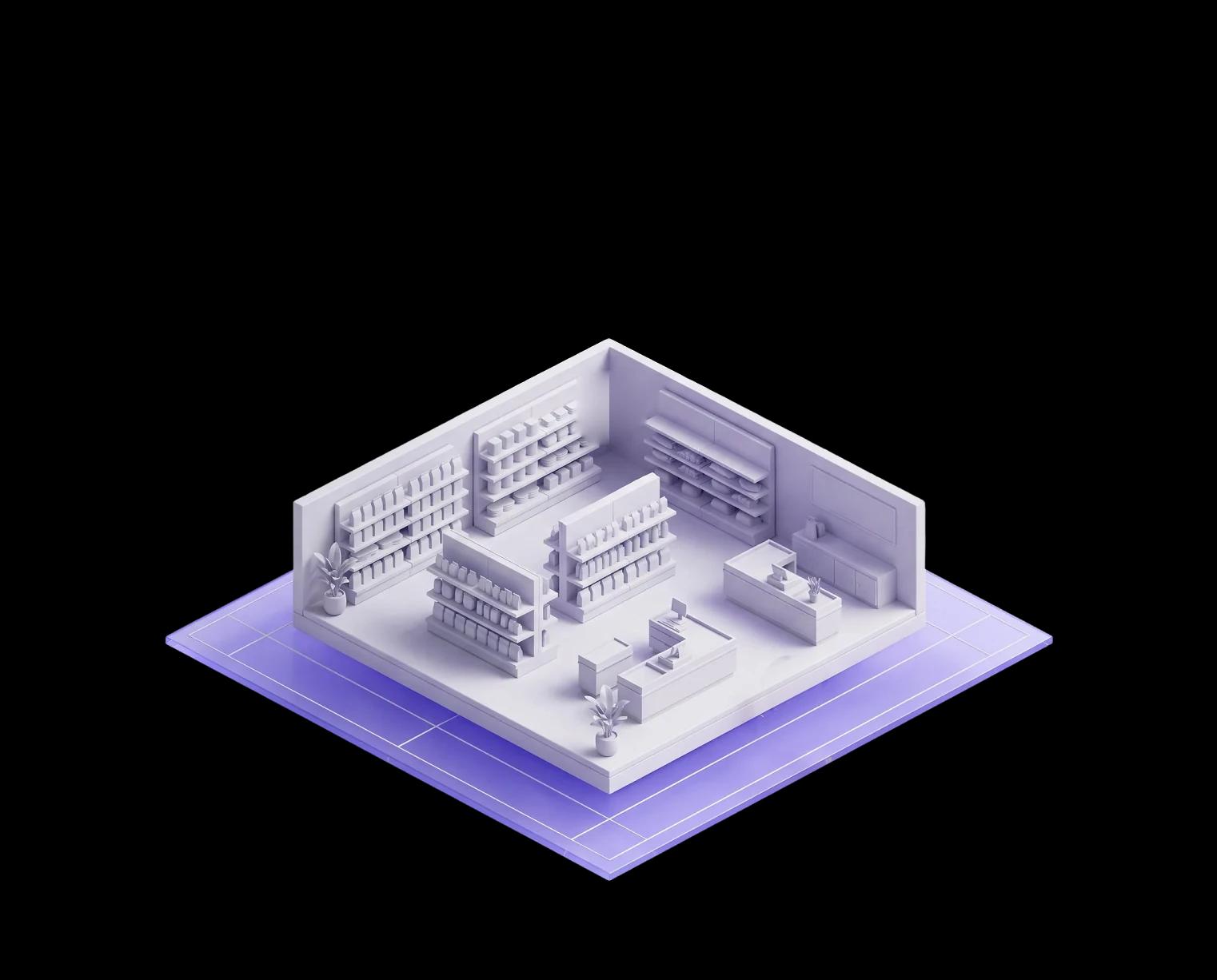
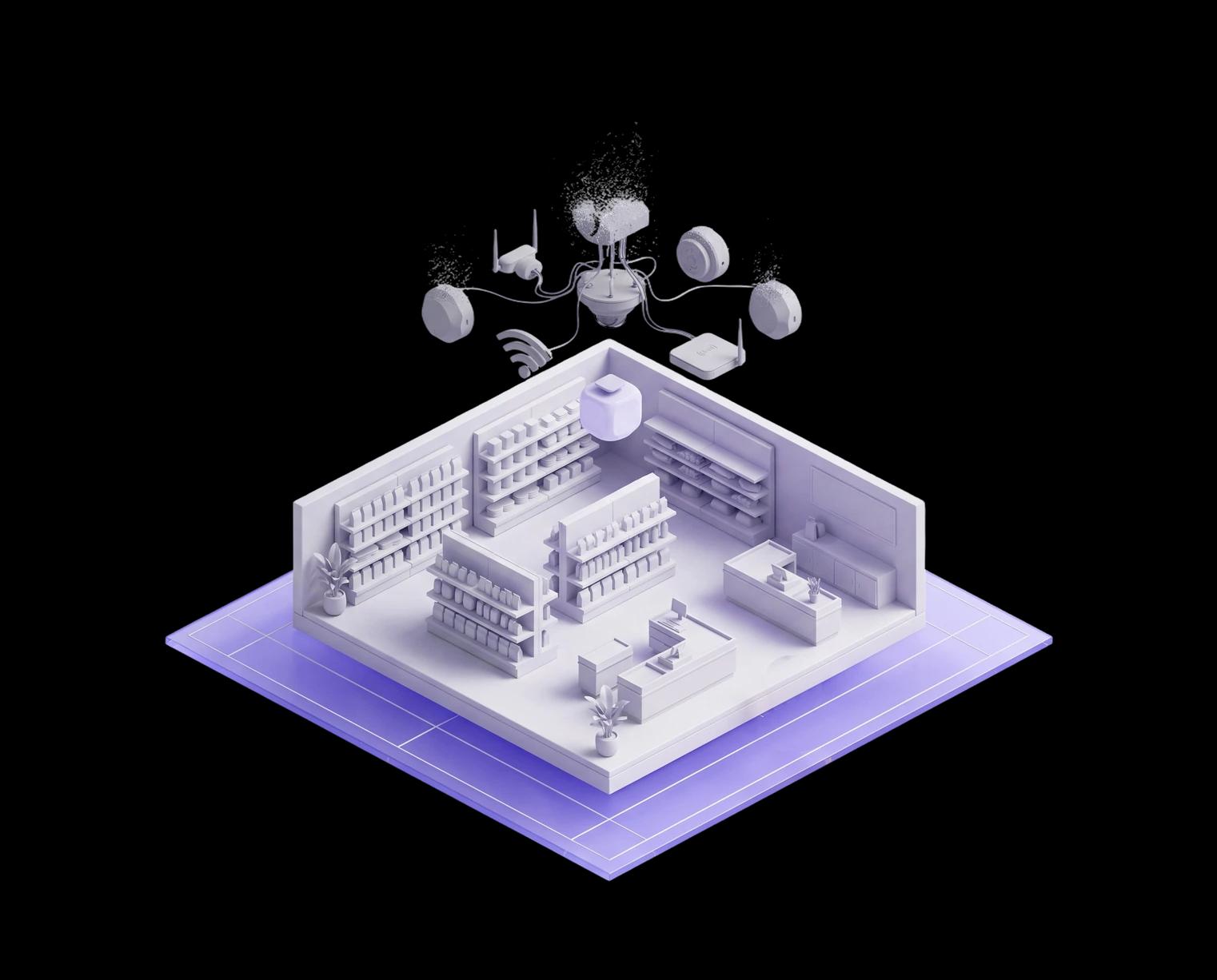
Accuracy is only part of the equation.
The real difference is what it takes to deploy, maintain, and scale that accuracy across an enterprise.
| Oriient | Beacons | |
|---|---|---|
| What it relies on |  Earth’s magnetic field + smartphone sensors | Dedicated beacon hardware |
| Dedicated positioning hardware | None | Required |
| Deployment | 1 day to map the environment + one-time software integration | Install and configure devices throughout the space |
| Ongoing hardware maintenance | No dedicated positioning hardware to maintain | Devices require monitoring and maintenance |
| Privacy model | Opt-in, on-device positioning | Depends on implementation |
| Accuracy | ~3 ft. / 1 m | Varies by configuration and density |
Oriient
- What it relies on
- Earth’s magnetic field + smartphone sensors
- Dedicated positioning hardware
- None
- Deployment
- 1 day to map the environment + one-time software integration
- Ongoing hardware maintenance
- No dedicated positioning hardware to maintain
- Privacy model
- Opt-in, on-device positioning
- Accuracy
- ~3 ft. / 1 m
Beacons
- What it relies on
- Dedicated beacon hardware
- Dedicated positioning hardware
- Required
- Deployment
- Install and configure devices throughout the space
- Ongoing hardware maintenance
- Devices require monitoring and maintenance
- Privacy model
- Depends on implementation
- Accuracy
- Varies by configuration and density
A pilot can prove accuracy. Rollout proves the model.
Indoor location can work perfectly in one environment and still become difficult to scale if every additional site requires more hardware, installation, configuration, or maintenance.
Oriient was built around a different equation: prove the technology, integrate the software, then expand without rebuilding a positioning infrastructure location by location.
1 day
to map a typical environment
1 week
to roll out 300 stores
960,000,000 sqft
across 6,745 locations globally
Privacy is part of the architecture.
Software-only changes more than deployment economics.
With Oriient, positioning happens on the device and participation is opt-in. Precise indoor location doesn’t require cameras or visual surveillance infrastructure.
Explore Privacy by Design
On-device positioning
The smartphone determines its position using sensors already built into the device.

Opt-in by design
Location runs only when the user opts in.

No cameras required
Indoor positioning doesn’t depend on visual surveillance infrastructure.
Frequently Asked Questions
No. Oriient delivers approximately 3 ft. / 1 m accuracy without dedicated positioning hardware.

Prove the accuracy.
Then prove the model.
Start with one real environment. Validate precise indoor location, measure
the value, and see what happens when scaling doesn’t require a hardware rollout.